
Published on

About Us
Lorem ipsum dolor sit amet, consectetur elit, sed do eiusmod tempor incididunt ut labore et magna aliqua.
Get a free quote
Cross-Sector Synergy: Accelerating Malaria Elimination in Mimika Regency Through Intensive Case Reduction
The Indonesian Government, through the Ministry of Health, continues to strengthen its commitment to breaking the chain of malaria transmission across Papua. As part of a nationwide strategy, the current focus is on a synchronized acceleration program in 14 high-endemic regencies, aiming for an ambitious 70% reduction in malaria cases by 2026. This initiative directly responds to the Minister of Health's directives to ensure each endemic region implements sharp, sustainable intervention strategies.
Mimika Regency, located in Central Papua Province, is a pivotal area in this elimination roadmap. The acceleration strategy in Mimika relies on strengthening Early Diagnosis and Treatment (EDAT), intensive surveillance, integrated vector control, and enhanced community participation and strategic partnerships. This approach is specifically designed to ensure every case is detected early and treated completely to prevent further transmission.
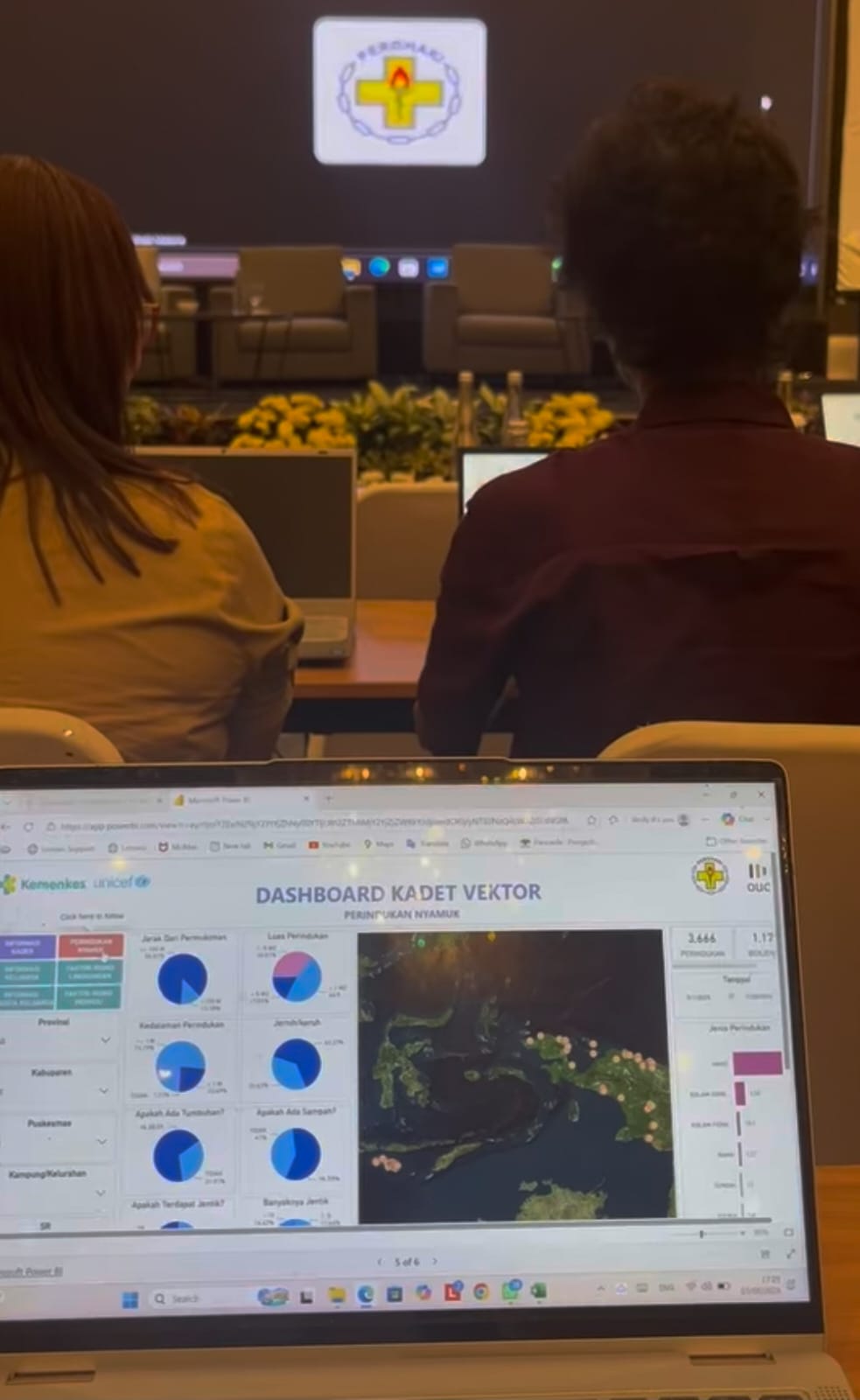
To ensure field readiness, the Directorate General of Disease Prevention and Control (P2P) of the Ministry of Health organized a "Coordination for the Preparation of Malaria Elimination Acceleration Efforts" held in Mimika Regency from August 11–14, 2024. This meeting is critical for identifying potential opportunities and addressing technical challenges in implementing programs within regions that possess unique geographical and social characteristics.
The coordination activities involved various experts and strategic stakeholders. On this occasion, Dr. Iqbal Elyazar attended at the invitation of the Ministry of Health, representing epidemiological expertise. The involvement of specialists aims to provide evidence-based input and technical perspectives to ensure that the acceleration instruments developed can be implemented effectively and accurately on the ground.
Through strong collaboration between the central government, local authorities, development partners, and expert support, the acceleration of elimination in Mimika Regency is expected to catalyze the realization of the Malaria-Free Indonesia 2030 vision, inclusively and comprehensively throughout the nation.
Tags:
Tags: