
Published on

About Us
Lorem ipsum dolor sit amet, consectetur elit, sed do eiusmod tempor incididunt ut labore et magna aliqua.
Get a free quote
National Meeting Discusses Community Funding Priorities for Malaria Elimination
A meeting entitled Annex Funding Priorities of Communities and Civil Society Most Affected by Malaria was held on Thursday, 7 May 2026 at the Perdhaki Malaria Meeting Room in Central Jakarta, with additional participation through Zoom. The meeting formed part of the Global Fund ATM GC8 proposal development process, emphasising the importance of incorporating perspectives from communities and civil society organisations in determining funding priorities for malaria elimination in Indonesia.
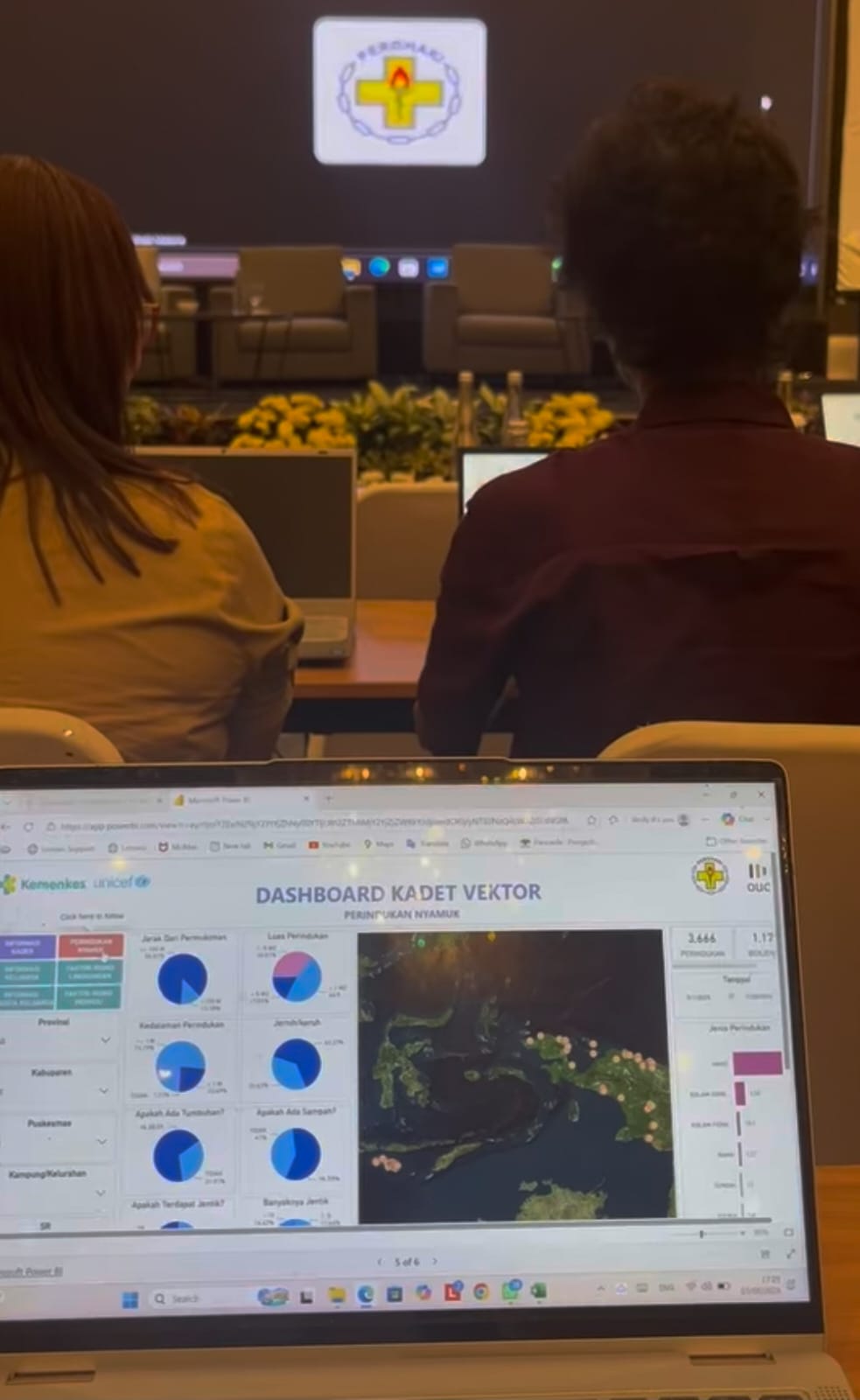
The meeting agenda included updates on the drafting of the Global Fund proposal, presentations on proposed funding priorities from malaria-focused community and civil society groups, and discussions on the Annex Funding Priorities of Communities and Civil Society Most Affected by Malaria document. Discussions focused on strengthening malaria programmes to become more inclusive, community-based, and sustainable. Representing OUCRU Indonesia, Dr. Lenny Ekawati participated as one of the meeting presenters.
The questionnaire analysis presented during the meeting showed that malaria-affected communities prioritised community-based vector control, active case finding by malaria cadres, strengthening services for vulnerable groups, and the integration of HIV, TB, and malaria services. In addition, strengthening logistics systems, ensuring the availability of medicines and rapid diagnostic tests (RDTs), and preparing for the transition from Global Fund support to domestic financing were also identified as major priorities.
A total of 127 respondents from 28 districts and municipalities across Indonesia participated in the survey that informed the recommendations. Most respondents were from regions outside Java, including Mimika, Jayapura, Mappi, Asmat, and Sumba. These findings illustrate that malaria challenges remain closely linked to geographical access, inequalities in health services, and the need for approaches that are sensitive to local social and cultural contexts.
The meeting also underscored the importance of a GEDSI (Gender Equality, Disability, and Social Inclusion) approach in malaria programmes, particularly in reaching women, children, Indigenous communities, persons with disabilities, and remote and mobile populations. Through this forum, future malaria elimination funding priorities are expected to better represent the actual needs of affected communities and support equitable and sustainable malaria elimination efforts.
Tags:
Tags: