
Published on

About Us
Lorem ipsum dolor sit amet, consectetur elit, sed do eiusmod tempor incididunt ut labore et magna aliqua.
Get a free quote
MIDSEA Workshop: Strengthening Infectious Disease Modelling Capacity in Southeast Asia
The regional workshop entitled Modelling Infectious Disease for South East Asia (MIDSEA), held from 4 to 8 May 2026, forms part of a strategic effort to strengthen infectious disease modelling capacity across Southeast Asia. This initiative reflects the growing need for data-driven approaches to address the increasingly complex dynamics of infectious diseases, particularly in regions with significant epidemiological diversity such as ASEAN.
The event is organised by the National University of Singapore (NUS), through its Saw Swee Hock School of Public Health, with funding support from the Temasek Foundation. This collaboration underscores the importance of partnerships between academic institutions and philanthropic organisations in advancing science- and innovation-driven health systems strengthening.
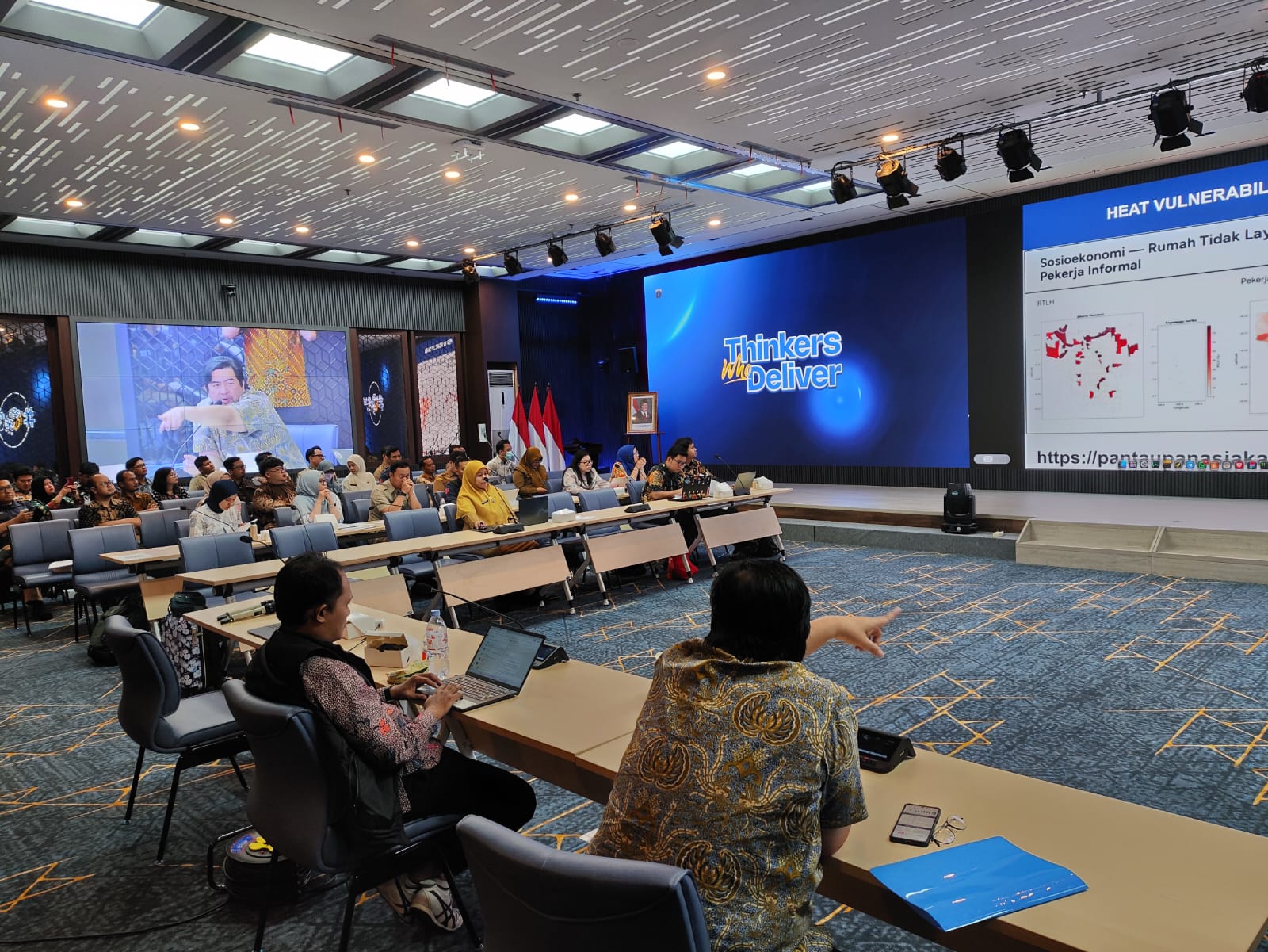
The workshop brings together experts, researchers, and public health practitioners to discuss infrastructure needs, operational challenges, and strategies for advancing epidemiological modelling capacity at the regional level. Discussions extend beyond technical modelling aspects to include the integration of modelling outputs into health policy decision-making, particularly in public health emergency contexts.
The participation of Dr. Iqbal Elyazar as a representative of OUCRU Indonesia highlights the increasing importance of cross-country and cross-institutional collaboration in responding to infectious disease threats. It also demonstrates Indonesia’s strategic position within global health research networks, particularly in strengthening surveillance systems and evidence-based response mechanisms.
Through this forum, MIDSEA is expected to reinforce regional scientific networks while enhancing the preparedness of ASEAN countries to respond to disease outbreaks. More robust and context-sensitive modelling approaches are anticipated to support more responsive, adaptive, and evidence-based decision-making. Ultimately, this initiative contributes not only to technical capacity development but also to the transformation of public health governance towards a more integrated and resilient regional health system.
Tags:
Tags: