
Published on

About Us
Lorem ipsum dolor sit amet, consectetur elit, sed do eiusmod tempor incididunt ut labore et magna aliqua.
Get a free quote
Papua New Guinea One-Island Approach Workshop: New Tools for a Stubborn Problem (Priority 2 on New Tools and Innovative Approaches)
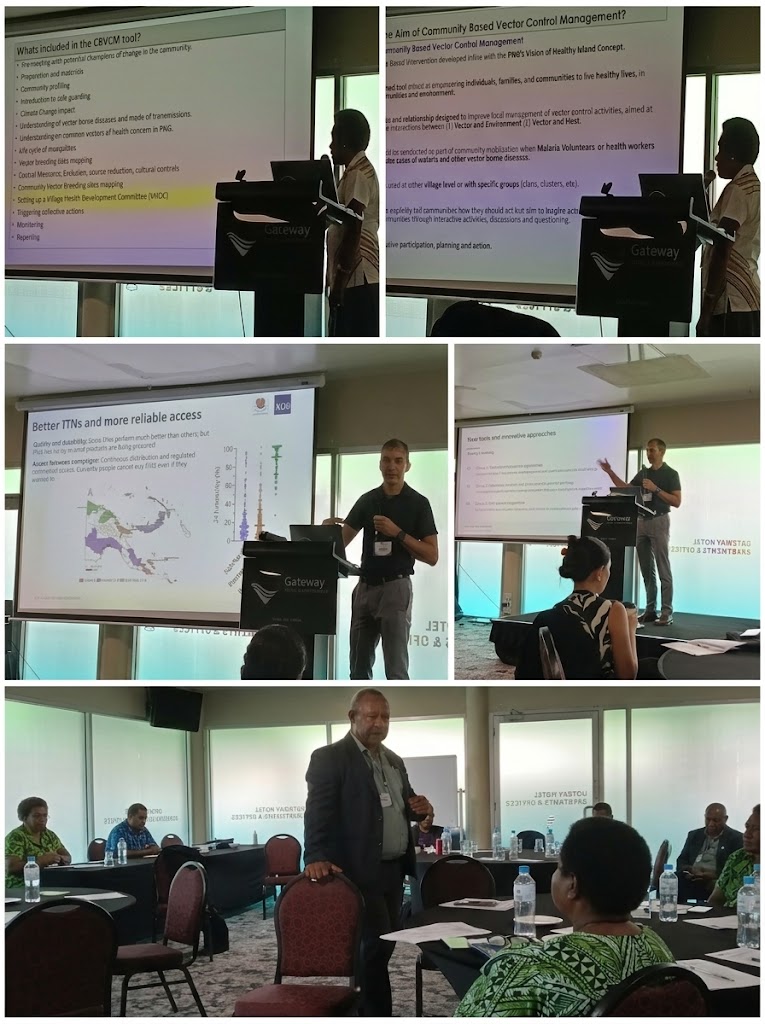
Port Moresby, 14 October 2026. Day 2 opened with remarks from Jacob Kisomb and an outline of the programme from Stephan Karl. Attention then turned to the second JAP priority: New Tools and Innovative Approaches.
The case for innovation is clear. Malaria vectors of the Anopheles punctulatus group on New Guinea often bite outdoors and in the early evening, when people are not under bed nets. Plasmodium vivax adds a further challenge because it can relapse from dormant liver stages weeks or months after the first infection.
Four presentations framed the discussion.
• Need for new tools: Stephan Karl reviewed the new tools and approaches now available to address PNG's malaria control priorities.
• Spatial emanators: John Keven of PNGIMR presented evidence on spatial emanators, which release insecticide into the air and can protect people outside the reach of bed nets.
• The vivax challenge: Maria Ome of PNGIMR addressed P. vivax control.
• Community larval source management: Appolonia Paruhasi of the East Sepik Provincial Health Authority shared lessons from community-based larval source management in her province.
Three breakout groups followed.
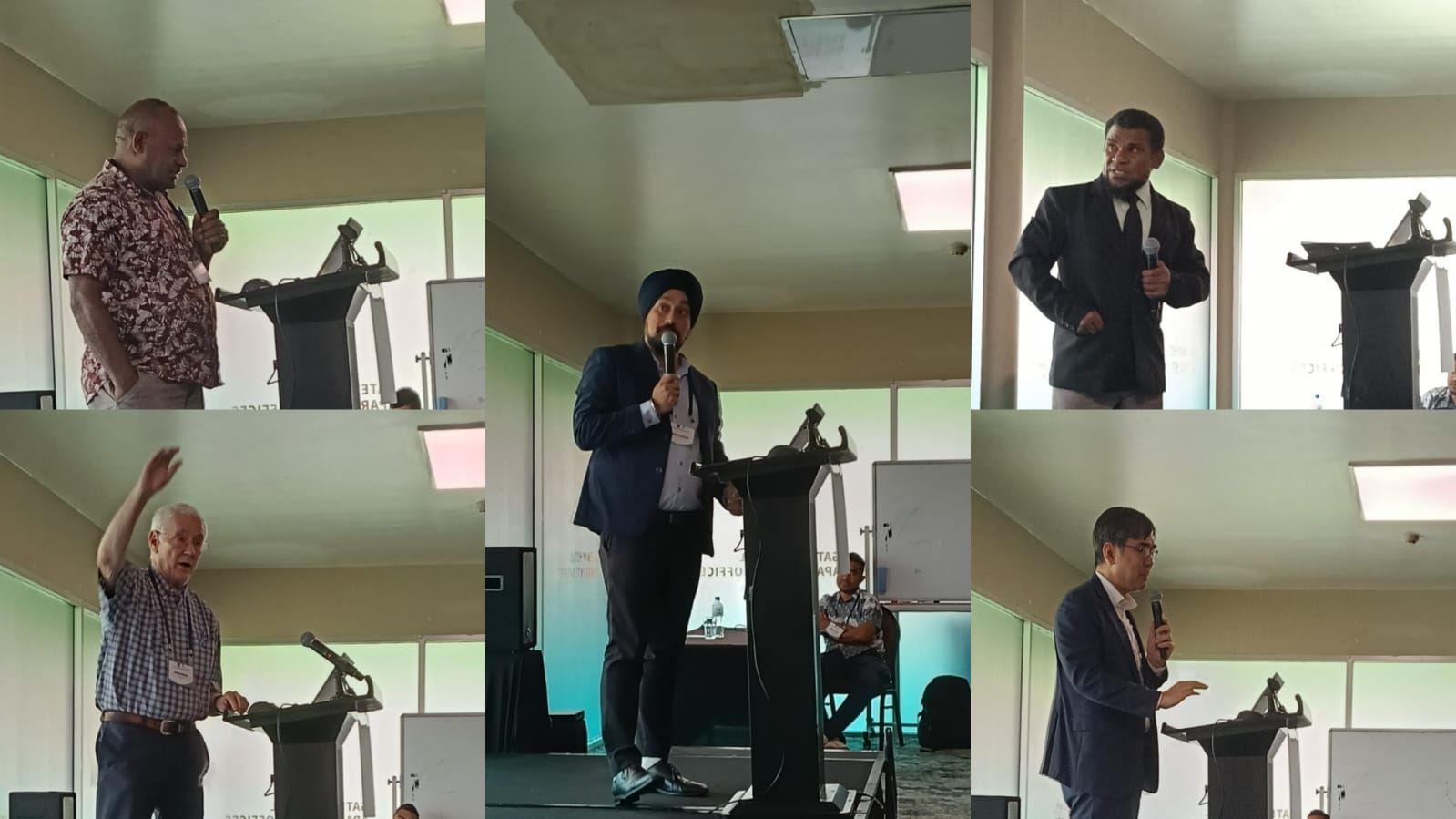
1. Targeted vector control. Facilitated by Stephen Gideon and Bill Hawley, this group explored three areas: which tools against outdoor and early-evening biting vectors should be tested jointly, how civil engineering and agriculture can contribute to habitat reduction, and how entomological surveillance and insecticide resistance monitoring can be harmonized.
2. Laboratory network and cross-country patient pathway. Facilitated by Iqbal Elyazar and John Deli, this group discussed which protocols to harmonize first, including microscopy, RDT, PCR and G6PD testing. It also covered joint quality assurance, the choice of reference laboratories, and how to manage patients who cross the border, including referral, follow-up and payment.
3. Pilot project cooperation. Facilitated by Stephan Karl and Vellgie Ava, this group considered several design questions for a joint pilot in high-burden border zones:
◦ criteria for selecting paired border sites
◦ the intervention package to be tested
◦ an operational research design that yields comparable results in both countries
◦ district-level coordination between the two countries
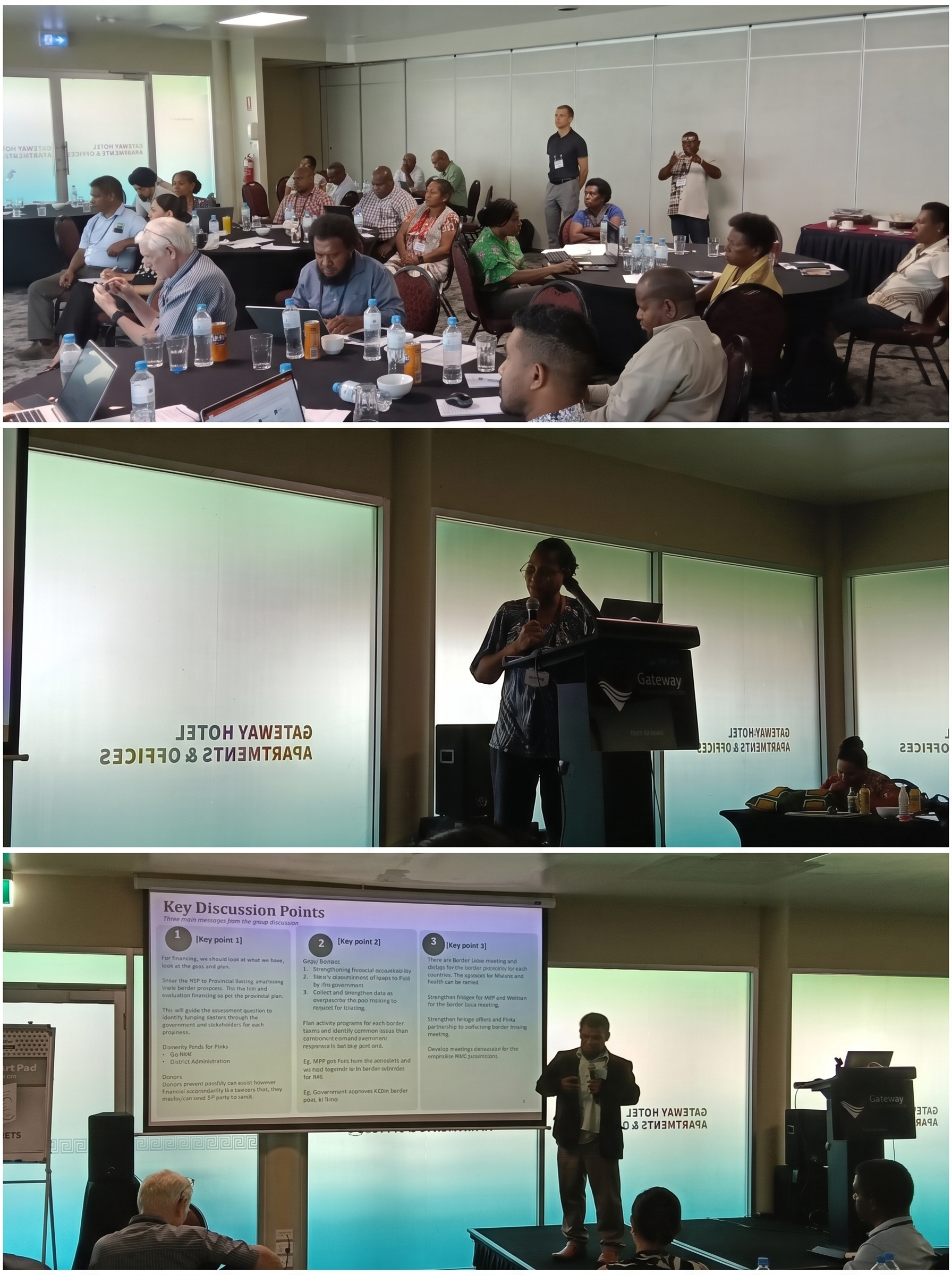
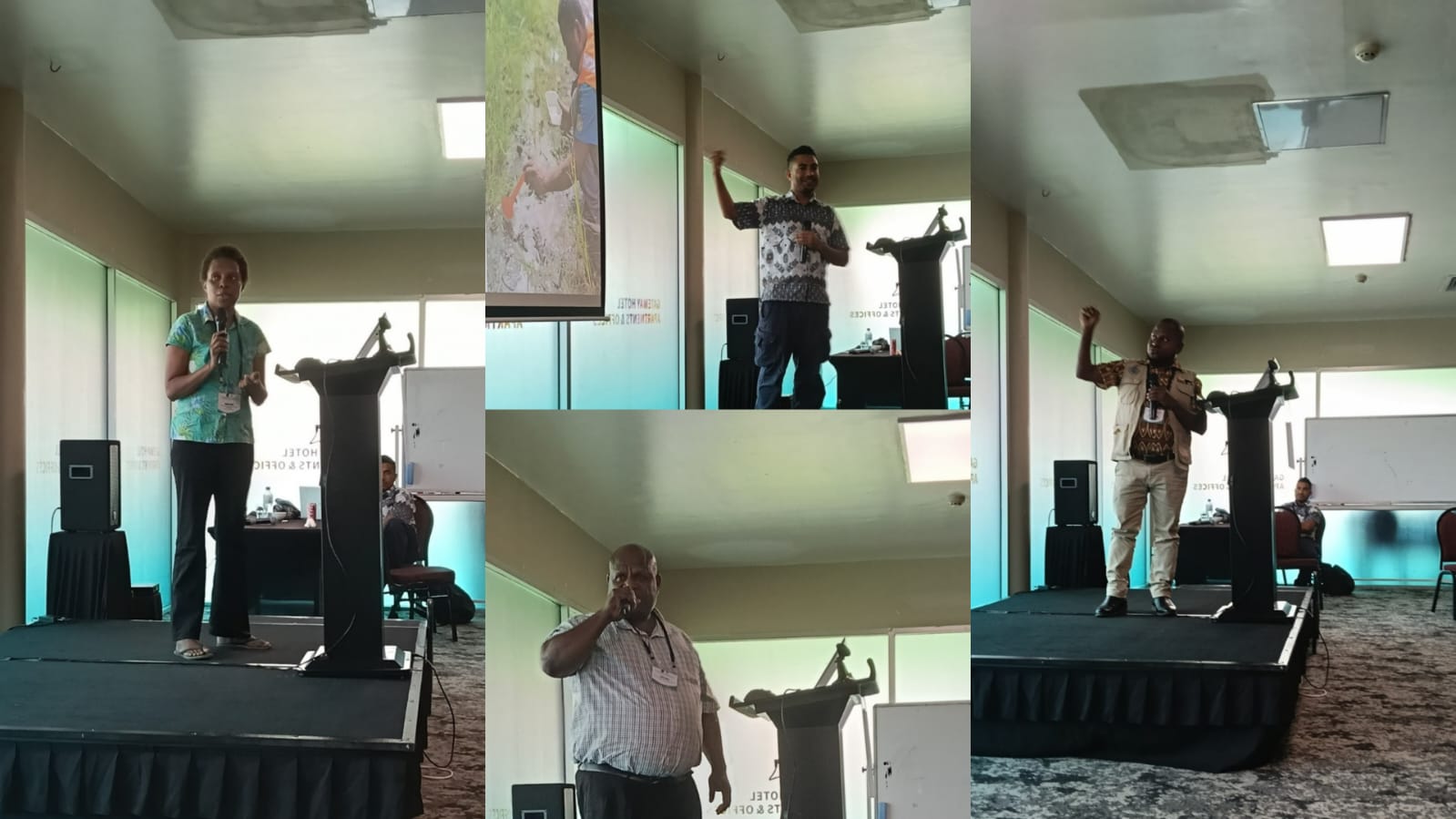
In the plenary session, the groups reported their recommendations and proposed joint activities. Stephan Karl wrapped up Priority 2. He highlighted the value of testing tools together so that evidence generated on one side of the border can guide action on the other.
Tags:
Tags: