
Published on

About Us
Lorem ipsum dolor sit amet, consectetur elit, sed do eiusmod tempor incididunt ut labore et magna aliqua.
Get a free quote
Papua New Guinea One-Island Approach Workshop: PNG Opens on Joint Malaria Action with Indonesia

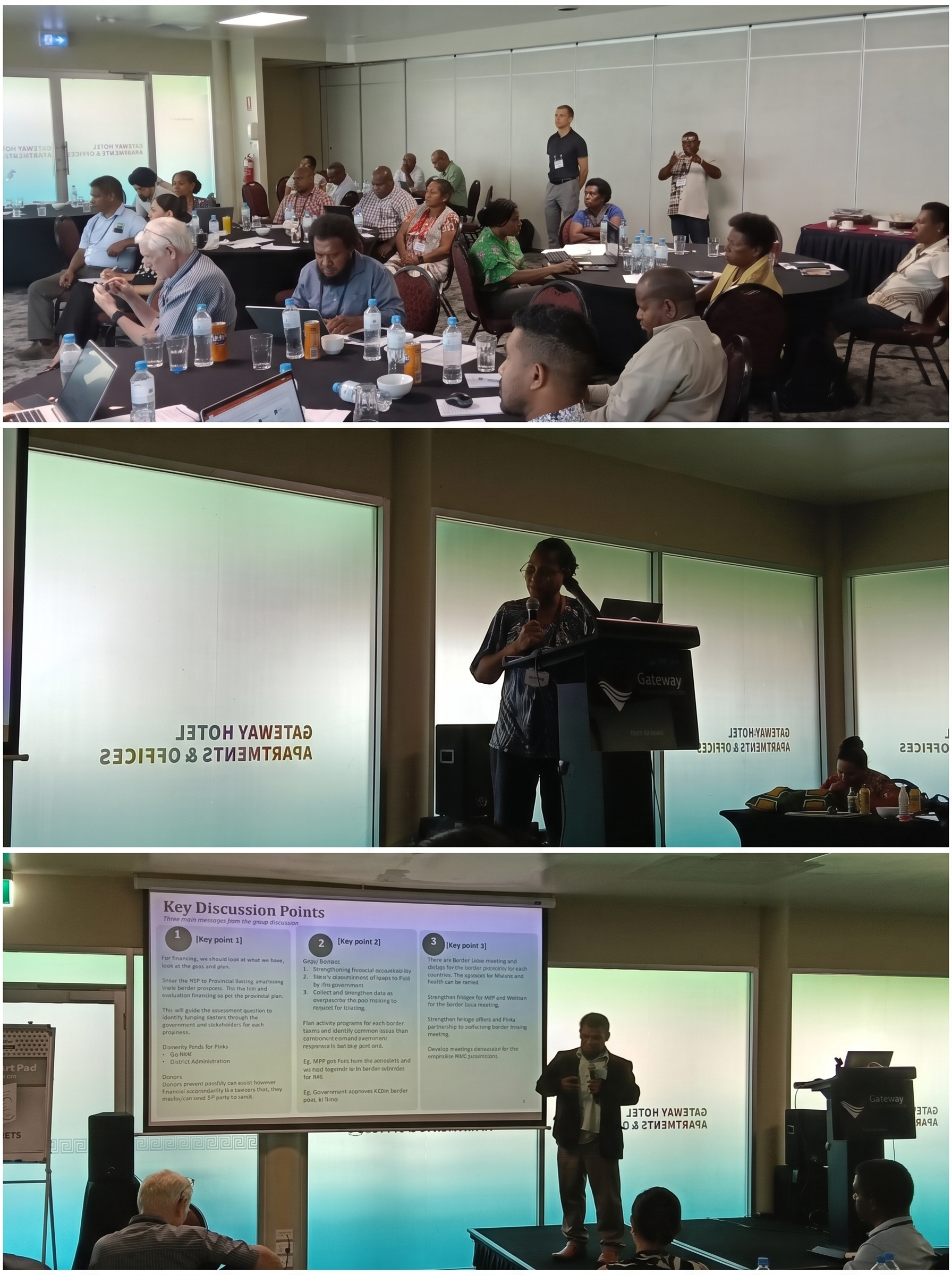
Port Moresby, 13 October 2026. Health leaders, provincial managers, researchers and development partners gathered at the Gateway Hotel in Port Moresby for the Papua New Guinea Workshop on the One-Island Approach to Malaria Control and Elimination. The PNG National Department of Health and the Asian Development Bank (ADB) co-organized the two-day workshop to turn the Indonesia-PNG Joint Action Plan (JAP) into concrete, fundable activities.
The stakes are high. New Guinea is home to about 18 million people and recorded around 1.6 million confirmed malaria cases: roughly 600,000 in Indonesian Papua and more than one million in PNG. Together they account for nearly 90 percent of the estimated malaria burden in WHO's Western Pacific Region.

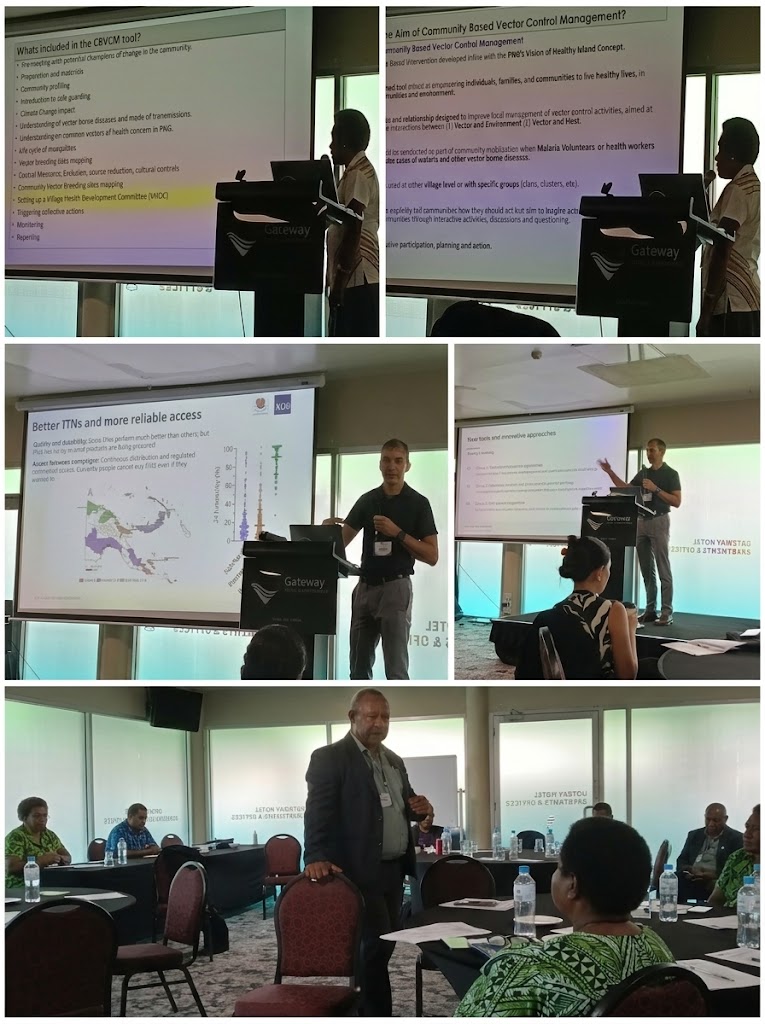
PNG Deputy Secretary for Health Ken Wai and Soon Chan Hong of the ADB PNG Resident Mission opened the workshop. They stressed that the island functions as a single epidemiological unit. Shared ecology, similar vectors and constant cross-border movement link transmission on both sides of the border. Amandeep Singh of ADB introduced the ExCITD (Ending Complex and Challenging Infectious and Tropical Diseases) technical assistance, which supports cooperation between neighbouring countries on malaria. Stephan Karl (JCU/PNGIMR) set out the workshop objectives. These were to build a shared understanding of the malaria landscape, consolidate PNG's priorities, and shape a national position ahead of bilateral discussions with Indonesia.
Two situation reports set the scene. Jacob Kisomb, manager of PNG's National Malaria Control Program, presented national progress and strategic direction. Iqbal Elyazar of the Oxford University Clinical Research Unit Indonesia described the epidemiological situation in Papua, where more than 95 percent of Indonesia's remaining malaria burden is now concentrated. William Hawley of the Asia Pacific Leaders Malaria Alliance then explained the vision behind the one-island approach. He outlined the JAP endorsed in Bali in June 2025, which rests on three priorities:
• information sharing and capacity building
• new tools and innovative approaches
• financing and resource mobilization
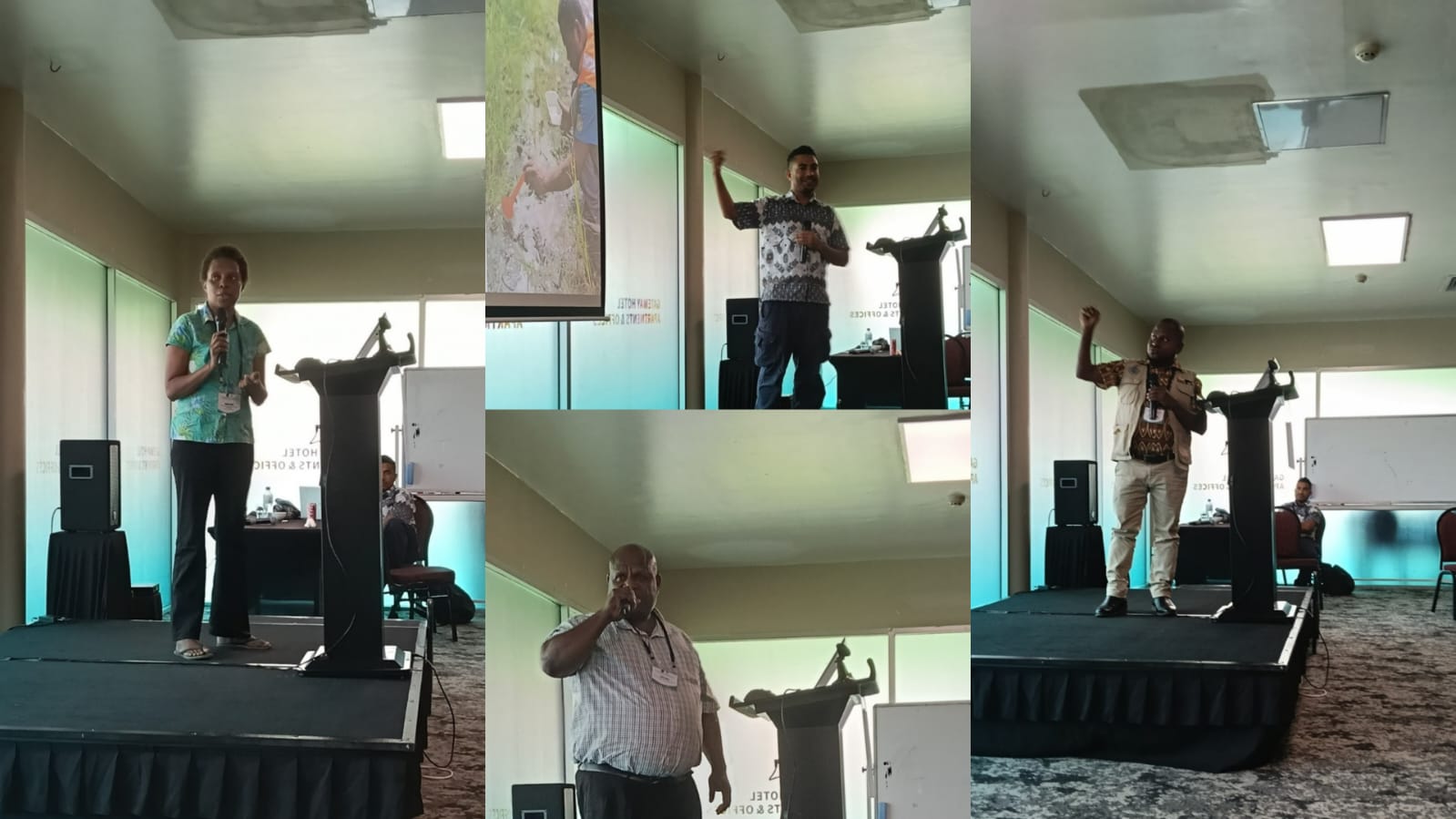
Provincial voices followed. Gabriel Kama (Western), Raphael Yilan Anea (West Sepik) and Margaret Morisause (East Sepik) described the realities of malaria control at the frontline. Western and West Sepik share a border with Indonesia, and East Sepik is a close neighbour. The challenges raised across the region include stock-outs, workforce shortages, unstable financing, and outdoor-biting Anopheles punctulatus vectors that blunt the impact of bed nets. Stephan Karl closed the morning session with a summary of the JAP priorities.
Tags:
Tags: