
Published on

About Us
Lorem ipsum dolor sit amet, consectetur elit, sed do eiusmod tempor incididunt ut labore et magna aliqua.
Get a free quote
Papua New Guinea One-Island Approach Workshop: Building a Shared Information Backbone (Priority 1 on Information Sharing and Capacity Building)
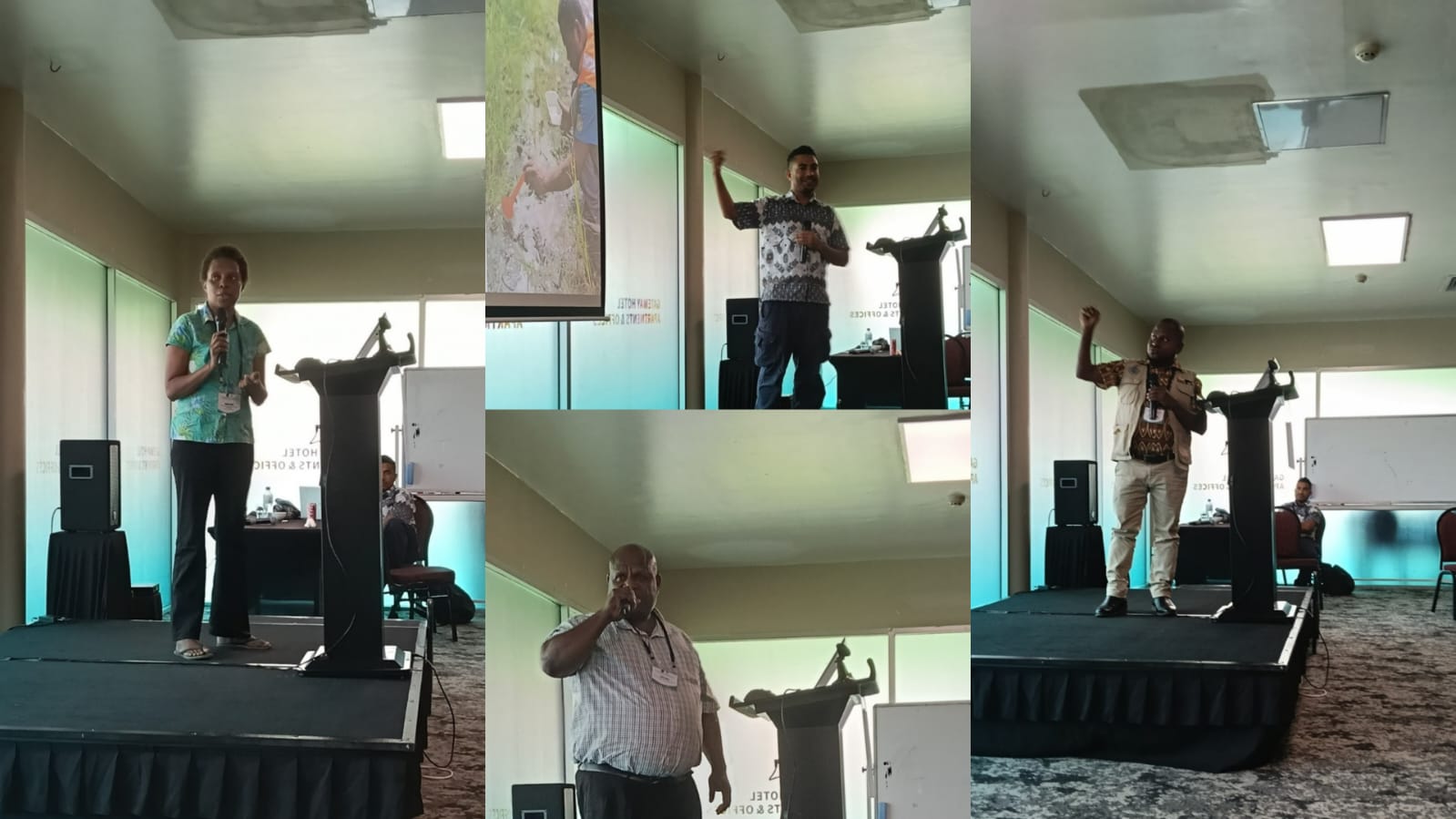
Port Moresby, 13 October 2026. The afternoon of Day 1 focused on the first JAP priority: Information Sharing and Capacity Building. The guiding idea was that two countries fighting the same parasites and vectors cannot succeed while working from separate, disconnected information.
A panel of four presentations opened the session.
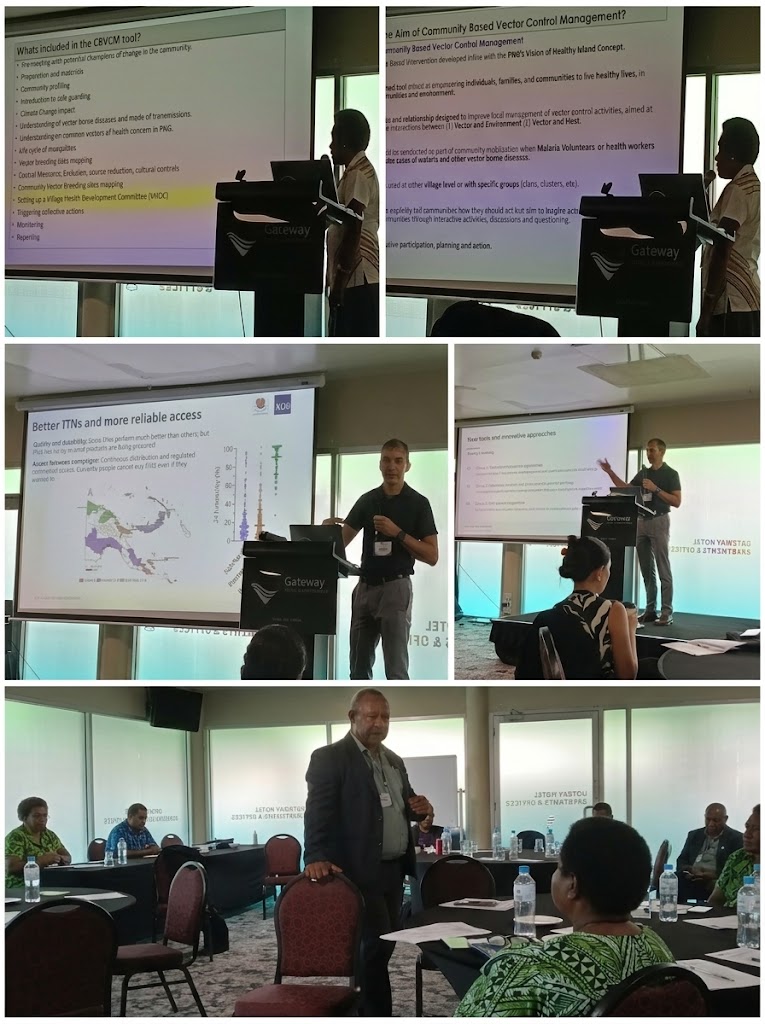
• Surveillance and control capacity: PNGIMR and the National Department of Health reviewed PNG's existing malaria surveillance and control capacity, including where the main gaps lie.
• Electronic health information: John Deli of NDoH presented PNG's electronic National Health Information System (eNHIS), the platform that would need to link with Indonesia's SISMAL.
• Home-based malaria management: Richard Piko of Rotarians Against Malaria PNG shared lessons from building a home-based malaria management network. His talk covered both capacity building and data sharing at community level.
• Research data sharing: Annie Dori of the Burnet Institute described how data are shared within the STRIVE PNG program.

Participants then split into three breakout groups.
1. Joint governance and coordination. Facilitated by Bill Hawley and Stephen Gideon, this group considered three questions: who should sit on a cross-country coordination mechanism, where its secretariat should be based, and how annual joint reviews and technical exchanges should be organized.
2. Regional data platform and information sharing. Facilitated by Iqbal Elyazar and John Deli, this group discussed the minimum set of variables to exchange and how often to exchange them. It also covered realistic platform options for eNHIS and SISMAL interoperability, the legal and data protection arrangements required, and the role of joint conferences in sharing experience on case management and risk factors.
3. Joint capacity building and workforce mobility. Facilitated by Stephan Karl and Vellgie Ava, this group identified training needs for community health volunteers, health centre staff, microscopists and clinicians. It considered which training is best delivered jointly, and what practical barriers affect workforce mobility, such as language, permits and recognition of certification.
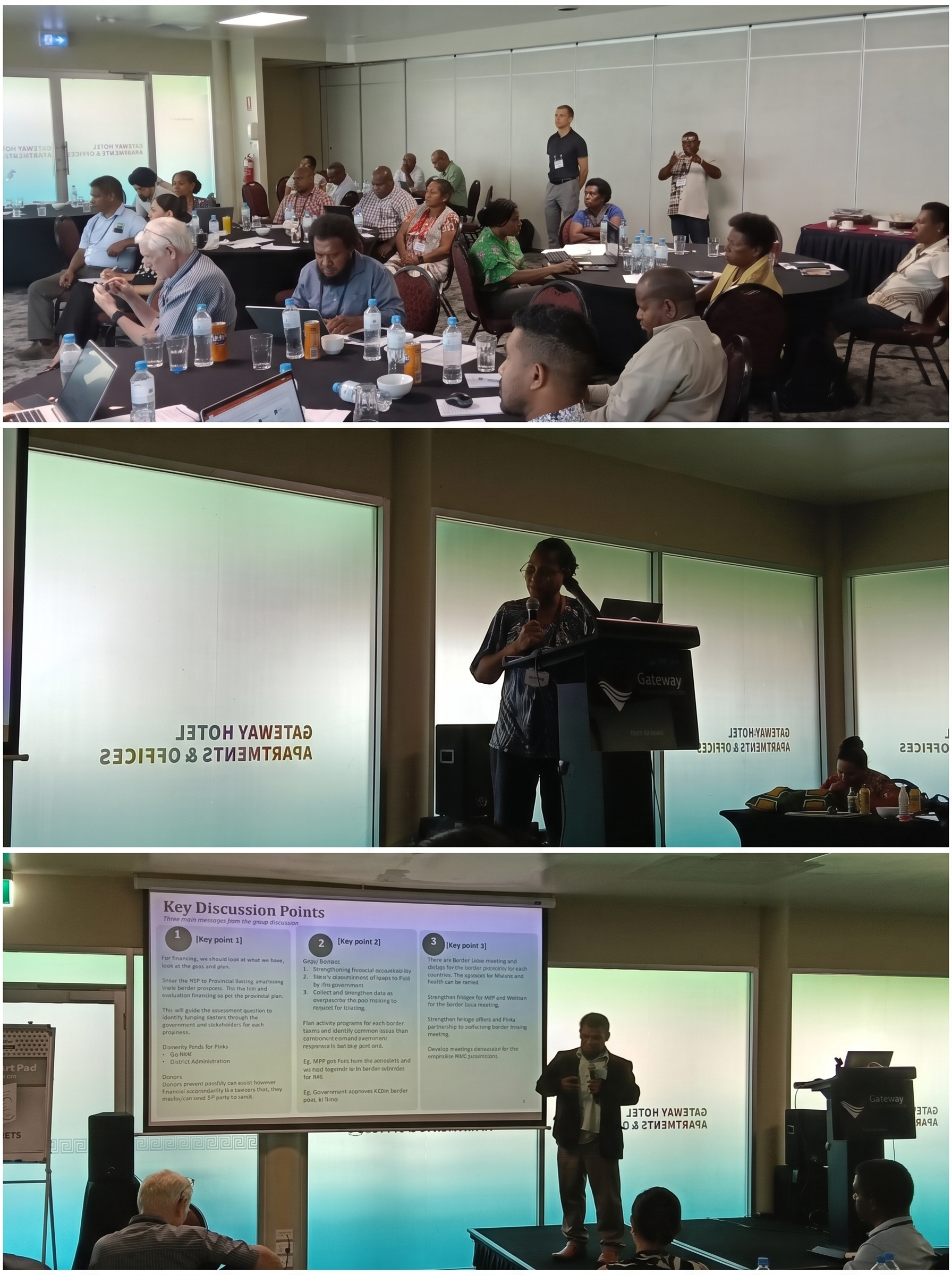
In the plenary session, each group presented its key recommendations, priority joint activities and open issues. Stephan Karl wrapped up Priority 1. Jacob Kisomb closed the first day by underlining that reliable, shared information is the foundation for every other area of cooperation.
Tags:
Tags: