
Published on

About Us
Lorem ipsum dolor sit amet, consectetur elit, sed do eiusmod tempor incididunt ut labore et magna aliqua.
Get a free quote
Vector Control Innovation, Laboratory Networks, and Pilot Projects Shape Priority 2 Discussions on Indonesia-PNG Collaboration
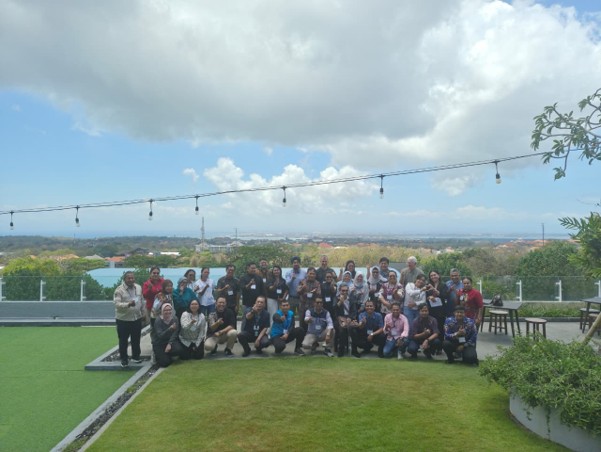
Bali, 7 October 2026. The second day of the One-Island Approach workshop opened with the second priority area of the Indonesia-PNG Joint Action Plan: New Tools and Innovative Approaches.

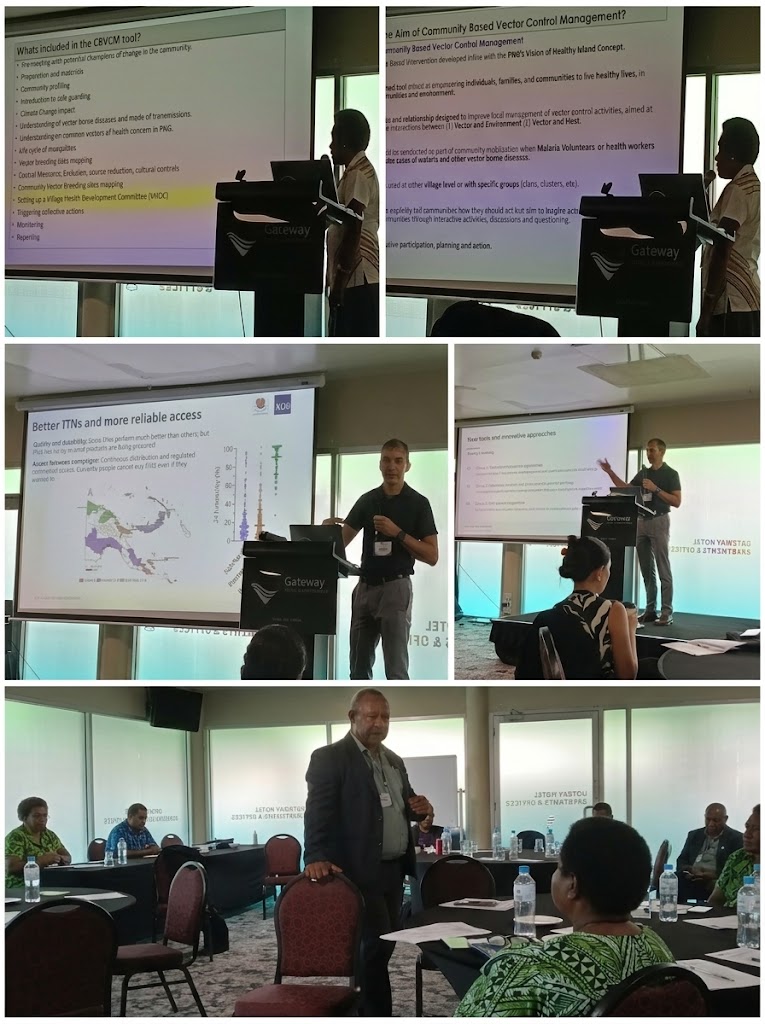
The panel session was moderated by Hermawan Susanto of the Ministry of Health. Triwibowo Ambargardjito of BRIN presented malaria vector dynamics in Papua and their implications for more targeted cross-country collaboration.

Lenny Ekawati of OUCRU discussed innovative approaches to outdoor and early-evening biting mosquitoes.

Din Syafruddin of Universitas Hasanuddin highlighted the harmonisation of laboratory networks and molecular surveillance of parasites and vectors in Papua.
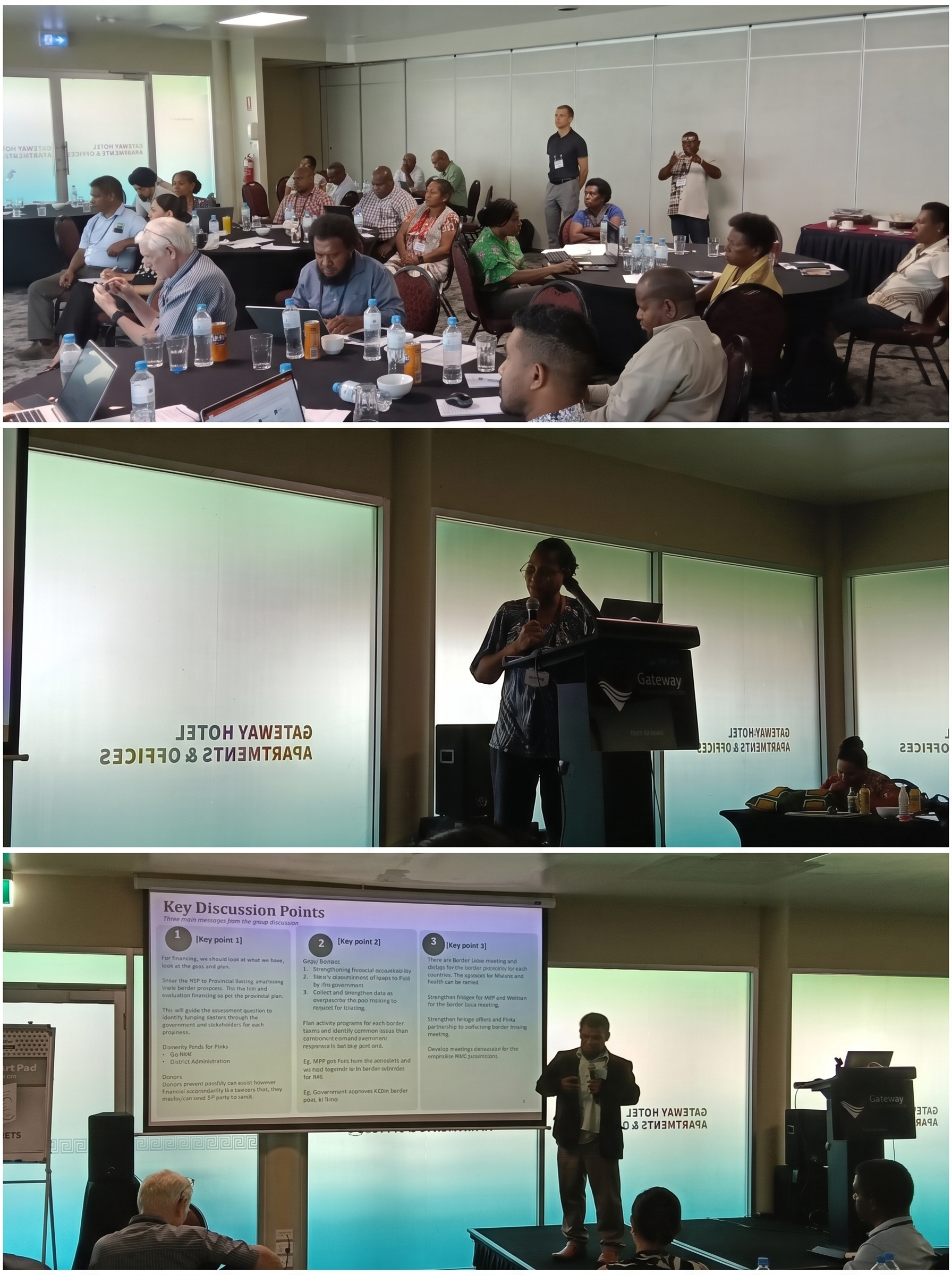
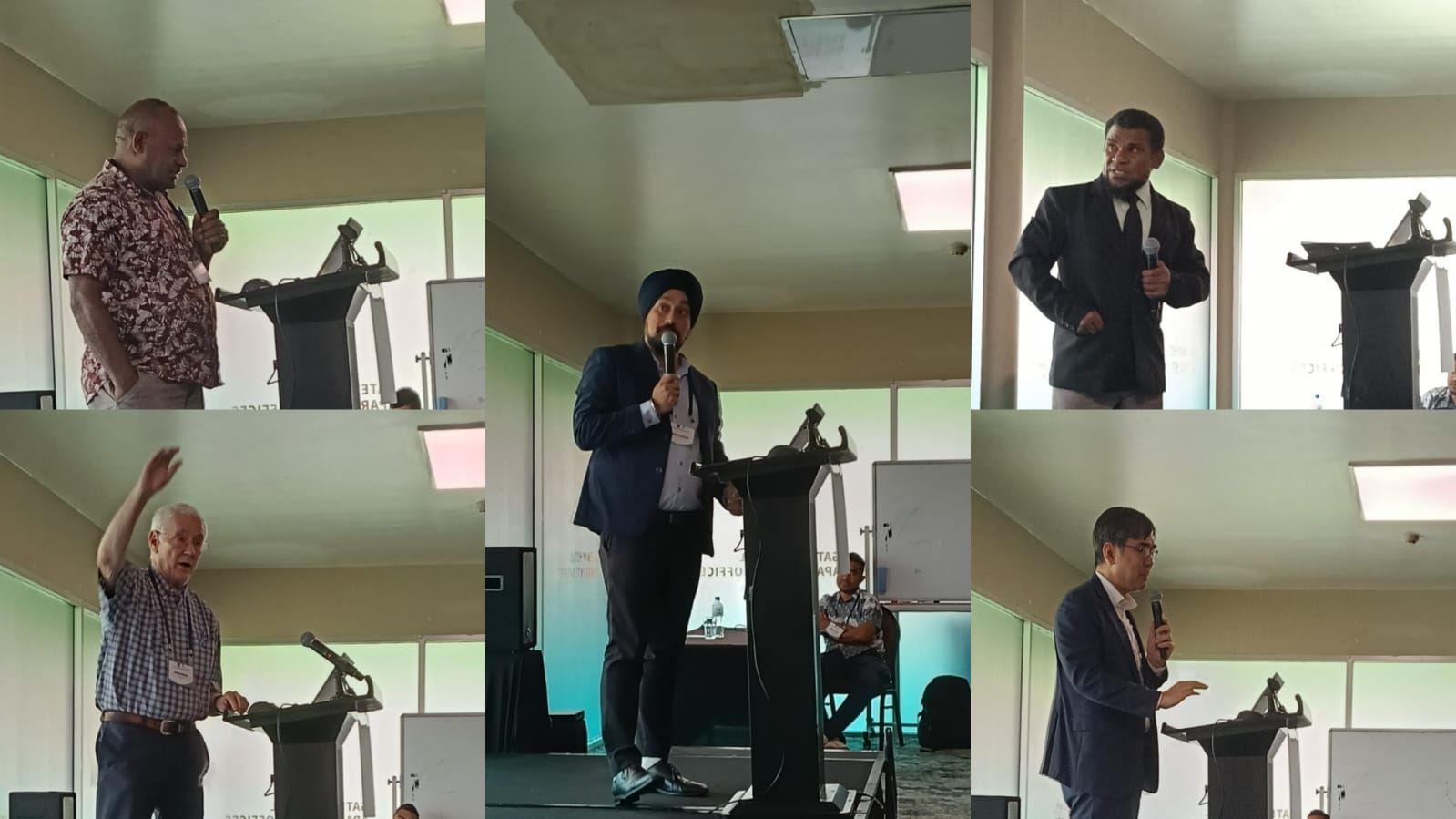
Participants then held discussions in three groups facilitated by William Hawley, Iqbal Elyazar, and Stephan Karl. The topics were targeted vector control approaches, the laboratory network and cross-country patient pathway, and pilot project cooperation.

In the plenary session, the first group proposed joint trials of spatial emanators and topical repellents, AI-based drone mapping of vector habitats, and habitat reduction through house screening and fish pond management. The group also called for harmonised entomological surveillance and insecticide resistance monitoring, with the Salatiga Training Centre and Poltekkes serving as training hubs.
The second group prioritised mapping and certifying microscopists and entomologists in Tanah Papua, harmonising diagnosis and treatment standards, and joint training. Other proposals included a joint quality assurance system for diagnostics and entomology, and microscopy and entomology curricula in universities in Tanah Papua. The group also stressed the need for cross-country patient pathway procedures.
The third group proposed the Jayapura and Vanimo pair as the initial pilot site, followed by Boven Digul in the next phase. Indonesia's good practice of TOKEN (Test and Prompt Treat) and community-based malaria management were proposed for joint testing, alongside research on population mobility and data sharing on drug and insecticide efficacy.

Participants noted several challenges, including the limited number of entomologists, continued reliance on donor funding, differences in health systems, and geographical access and security.
The session closed with a wrap-up of Priority 2 by Iqbal Elyazar, ADB consultant. These proposals will strengthen Indonesia's position in bilateral discussions with PNG.
Tags:
Tags: