
Published on

About Us
Lorem ipsum dolor sit amet, consectetur elit, sed do eiusmod tempor incididunt ut labore et magna aliqua.
Get a free quote
Sustainable Financing Is Key: Priority 3 Closes the Indonesia-PNG One-Island Approach Workshop
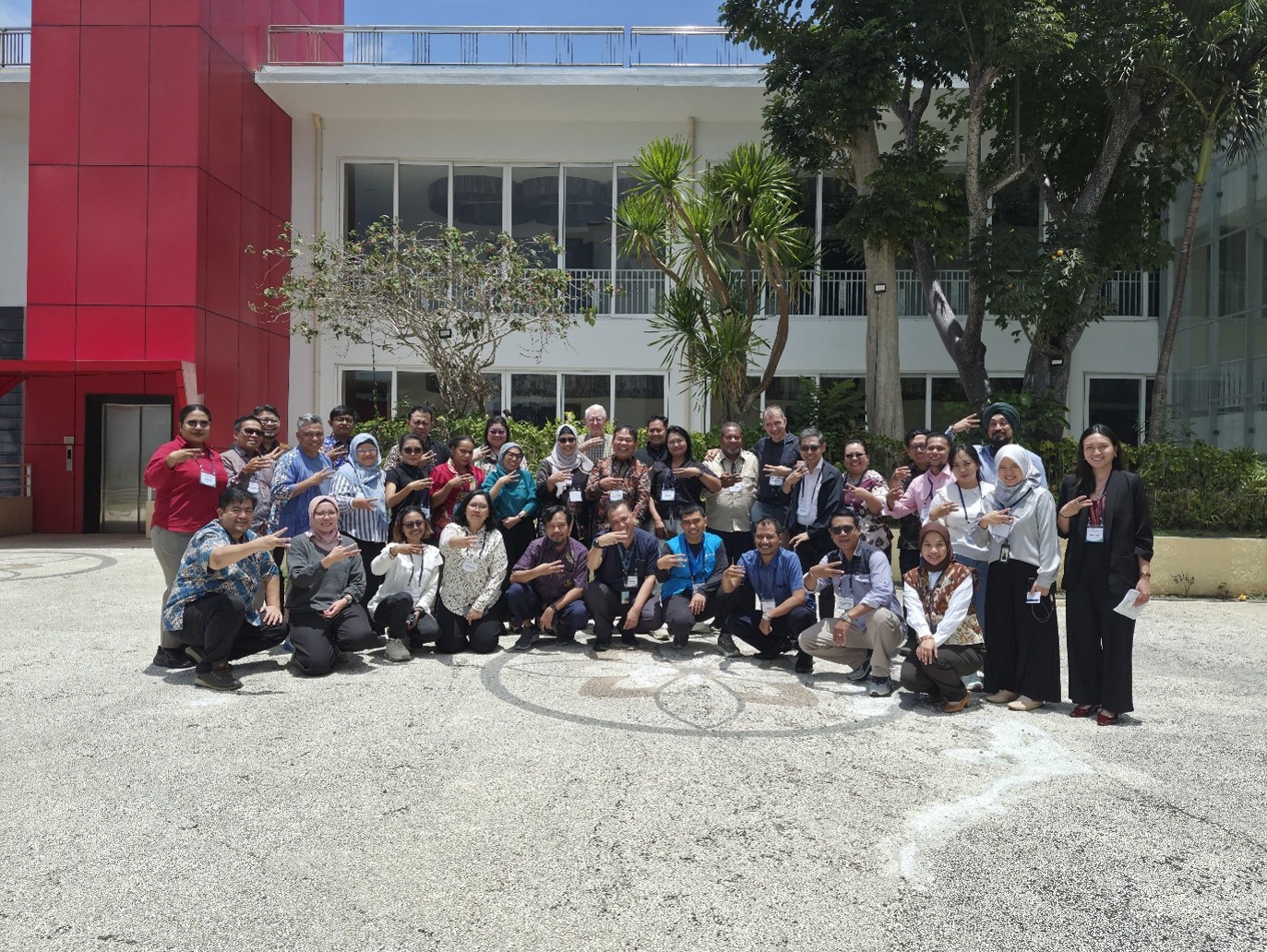
Bali, 7 October 2026. The afternoon session of the second day of the One-Island Approach workshop addressed the third priority area of the Indonesia-PNG Joint Action Plan: Financing and Resource Mobilization.
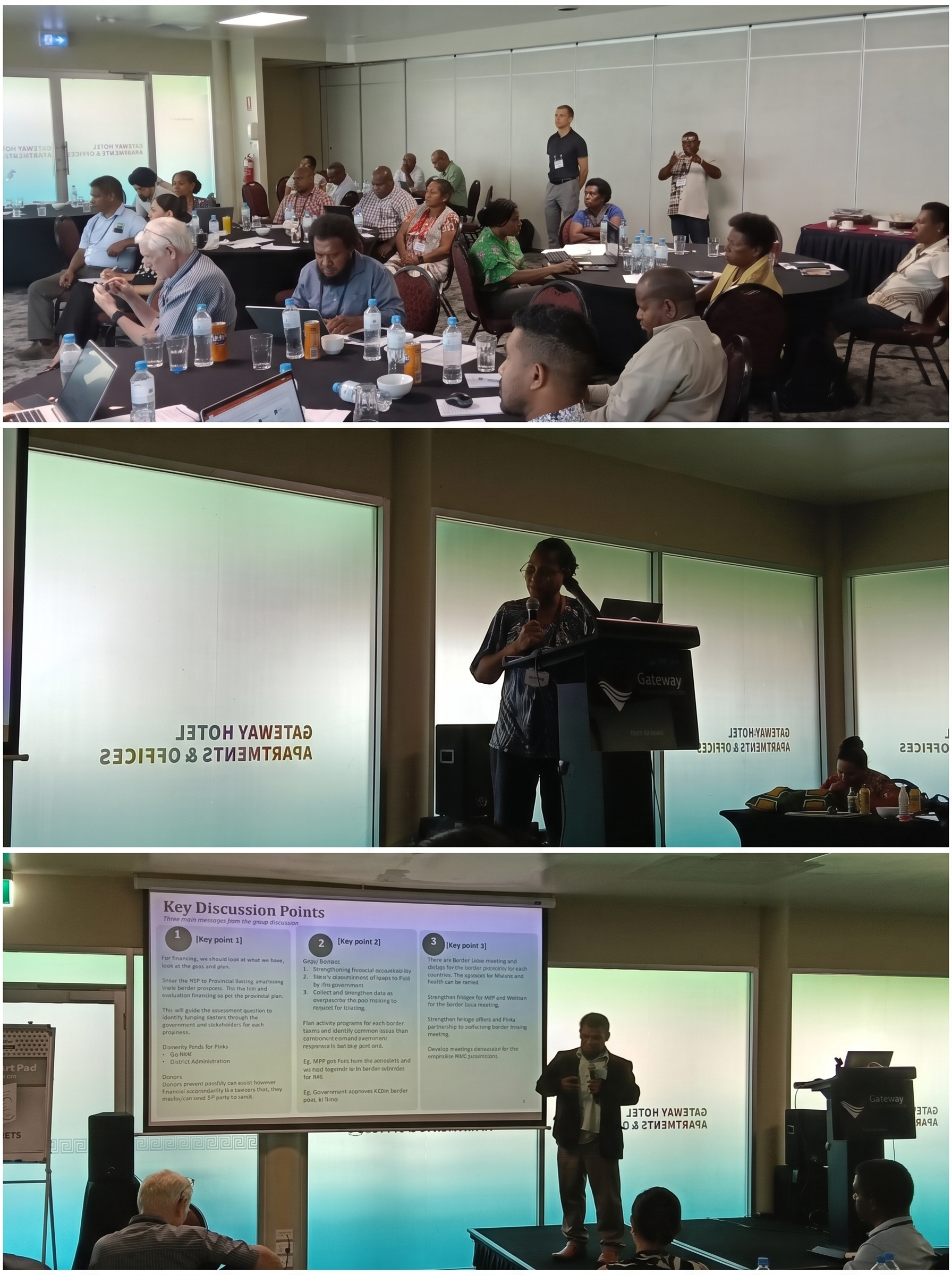
The panel session was moderated by Bagus Rahmat Prabowo of the Global Fund. Bayu Kurnia presented an overview of malaria financing in Papua. Ferdinand Laihad of the Ministry of Health discussed transition sustainability and space for new investment. Sri Budi Fajariyani provided an update on discussions with Perhimpunan Filantropi Indonesia on engaging the philanthropic sector.

Participants then held discussions in three groups facilitated by William Hawley, Iqbal Elyazar, and Stephan Karl. The topics were health financing assessment, health budget capacity, and diversifying funding sources.
In the plenary session, the first group mapped malaria funding sources in Tanah Papua, from the national budget (APBN), special allocation funds (DAK), regional budgets (APBD), and the Special Autonomy Fund to Global Fund grants and CSR. The group proposed a fiscal space analysis, a malaria investment case study, and advocacy for budget tagging, particularly for border areas. One challenge raised was that malaria is not yet included in the Minimum Service Standards.
The second group prioritised improving the validity of SISMAL data, as reliable data underpin planning and budget allocation. The group also proposed integrated planning across health programmes and stronger monitoring and evaluation of services in border areas.
The third group mapped existing corporate CSR programmes in Papua, support from faith-based organisations, and Ok Tedi Mining's investment in PNG. The group proposed engaging companies, exploring cooperation with International SOS and Temasek, and funding from Filantropi Indonesia.
Participants also noted several challenges, including reliance on external funding, funds received not matching needs, and weak coordination between programme and finance units.

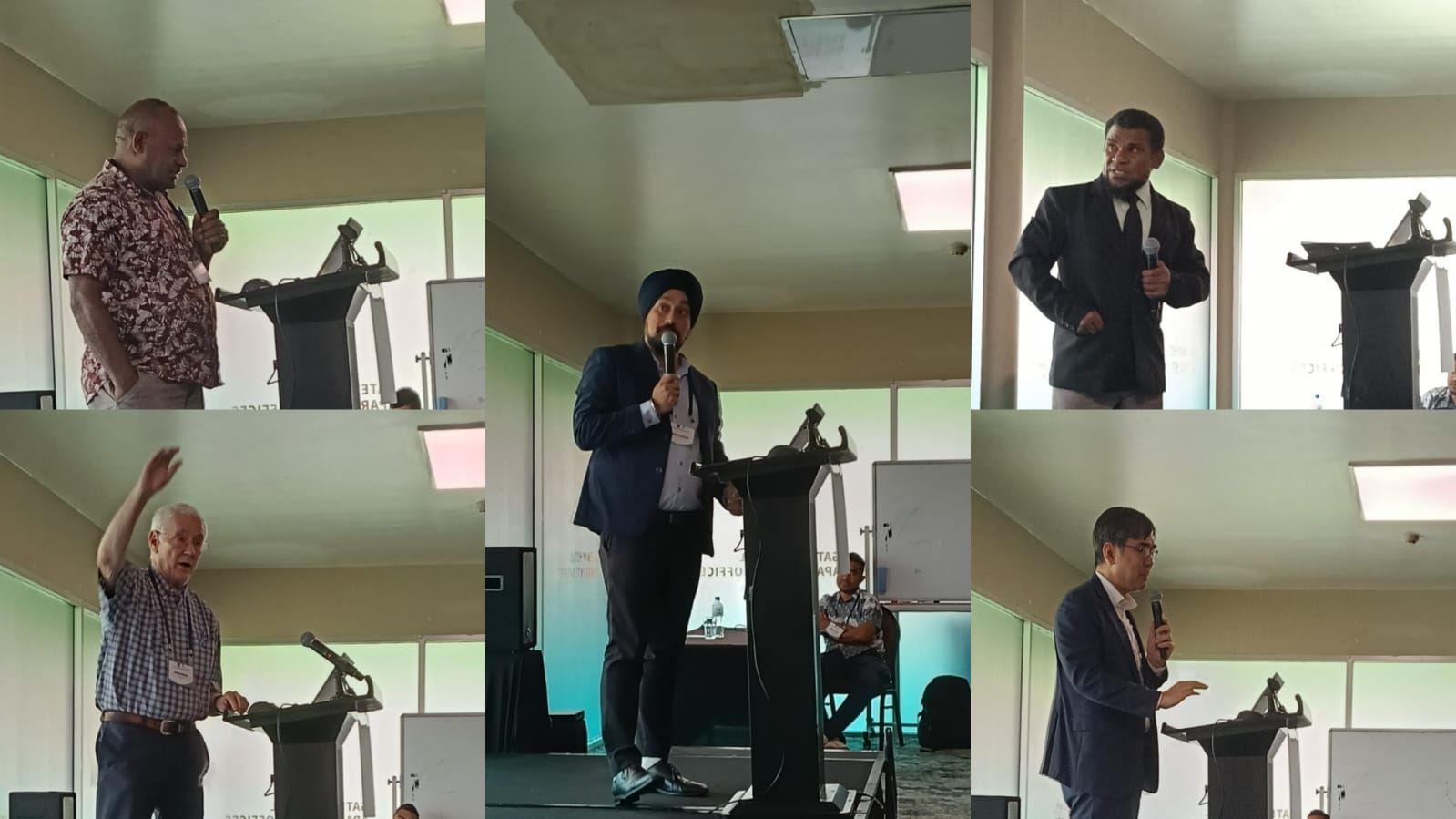
Following the Priority 3 wrap-up by Iqbal Elyazar, Chiqui de Veyra of ADB presented the next steps. The workshop was then closed by Dr Fadjar Silalahi of the Ministry of Health and Amandeep Singh of ADB.
The outcomes of the three priority areas will be consolidated into recommendations for Indonesia's national position in bilateral discussions with PNG. With sustainable governance, innovation, and financing, the two countries are moving forward together towards a malaria-free island of New Guinea.
Tags:
Tags: