Posted By

About Us
Lorem ipsum dolor sit amet, consectetur elit, sed do eiusmod tempor incididunt ut labore et magna aliqua.
Get a free quote
Indonesia-UK Climate-Sensitive Vector-Borne Diseases Modelling Workshop
-

-
Published on
September 03, 2026
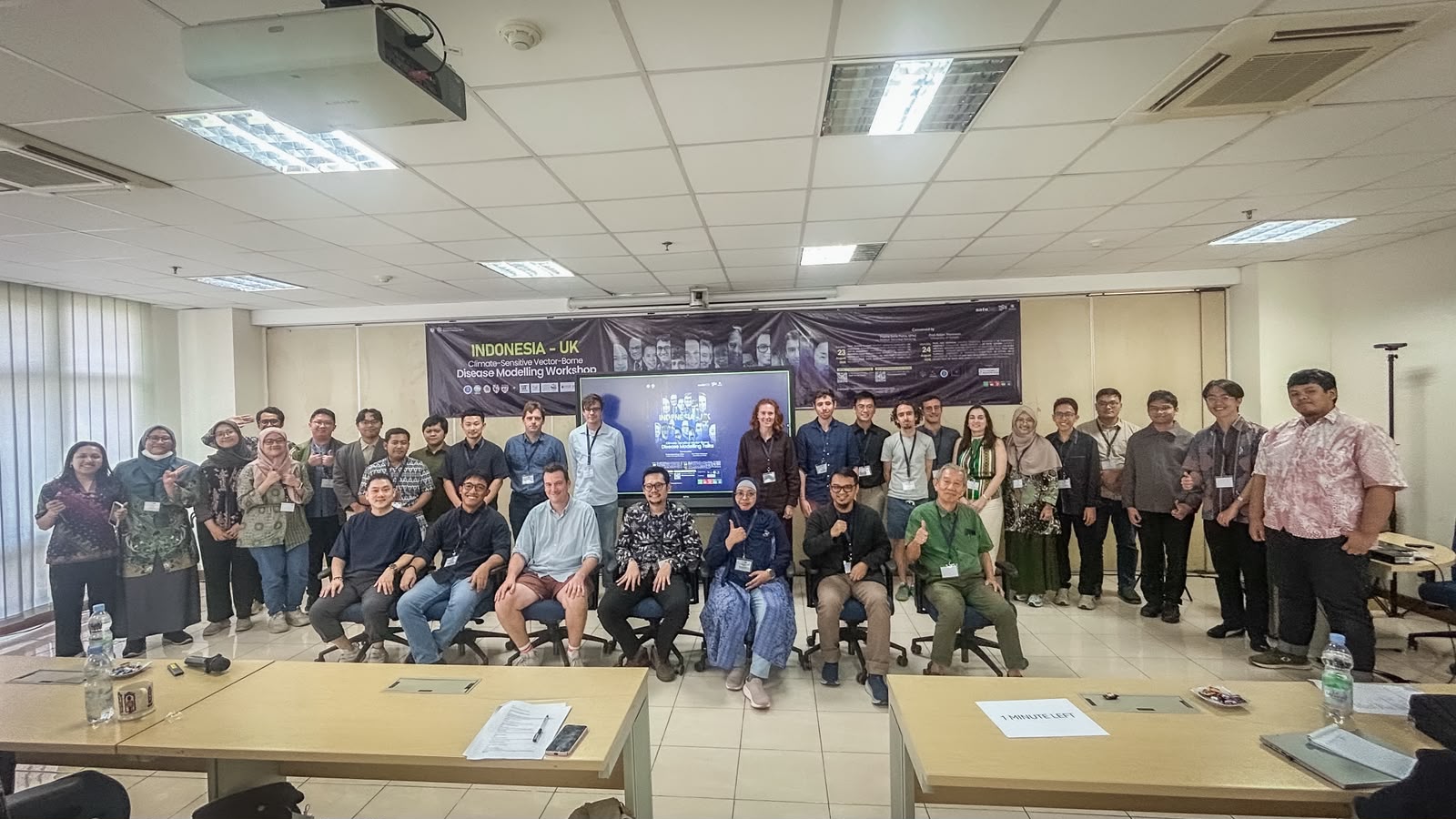
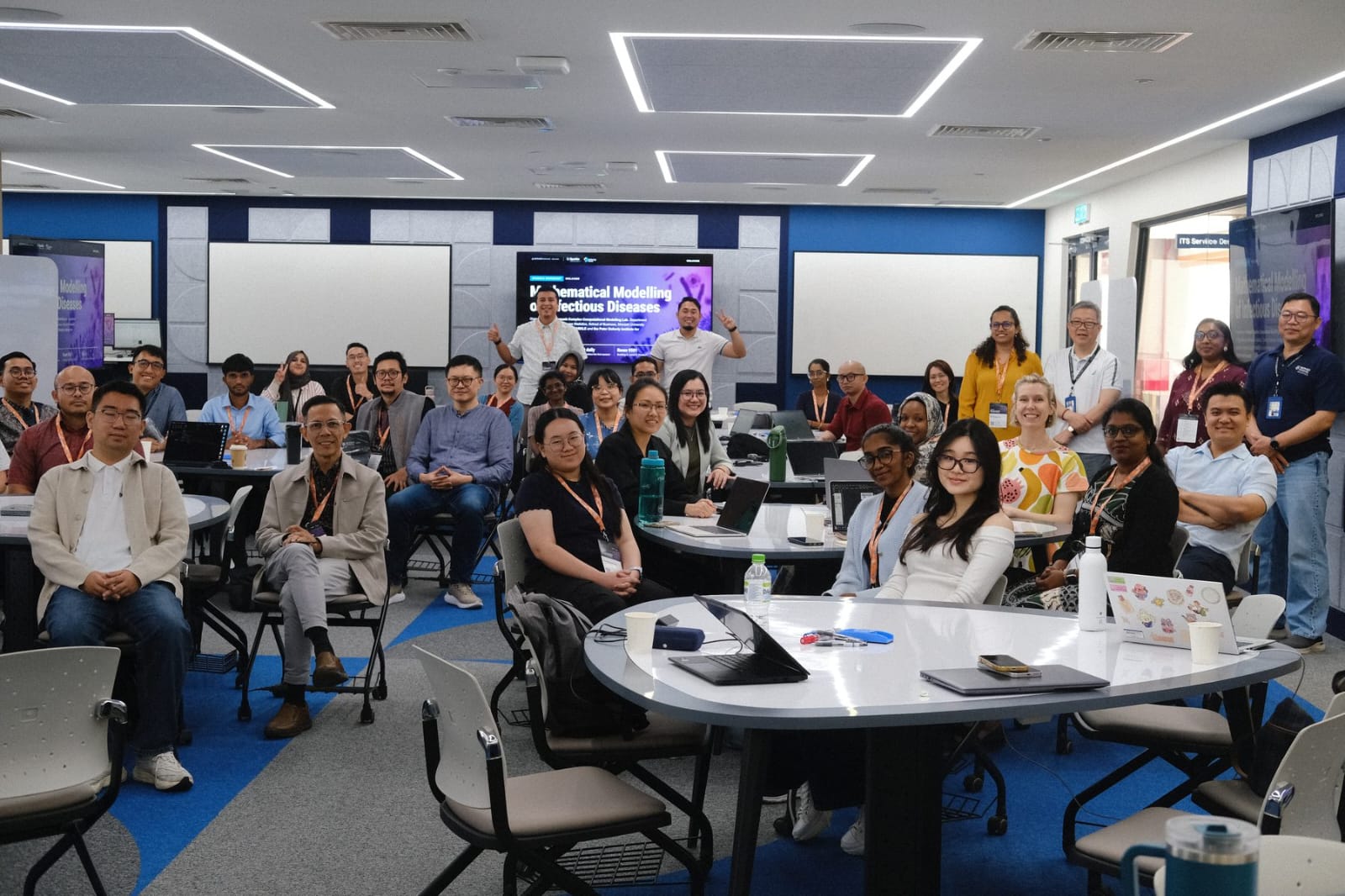
Climate change and environmental shifts exert a growing impact on the dynamics of vector-borne diseases (VBDs) such as dengue and malaria. To address these pressing challenges, an international scientific gathering titled the “Indonesia-UK Climate Sensitive Vector-Borne Diseases Modelling Workshop” took place on 23–24 August 2026 at the Center for Research and Community Services (CRCS) Building, Institut Teknologi Bandung (ITB). Funded by The Academy of Medical Sciences, the workshop was convened by Prama Setia Putra, DPhil (ITB) and Prof. Robin Thomson (University of Oxford).

The two-day workshop brought together leading researchers and academics from prominent national and international institutions, including ITB, UGM, UNPAD, UNPAR, the University of Oxford, LSHTM, the University of Warwick, NUS, NTU, Monash University, the University of Florida, Fondazione Bruno Kessler, BMKG, and the Oxford University Clinical Research Unit Indonesia (OUCRU - ID). The program combined scientific presentations with structured Focus Group Discussions (FGDs) to explore mathematical modeling of vector-borne diseases in changing climates.

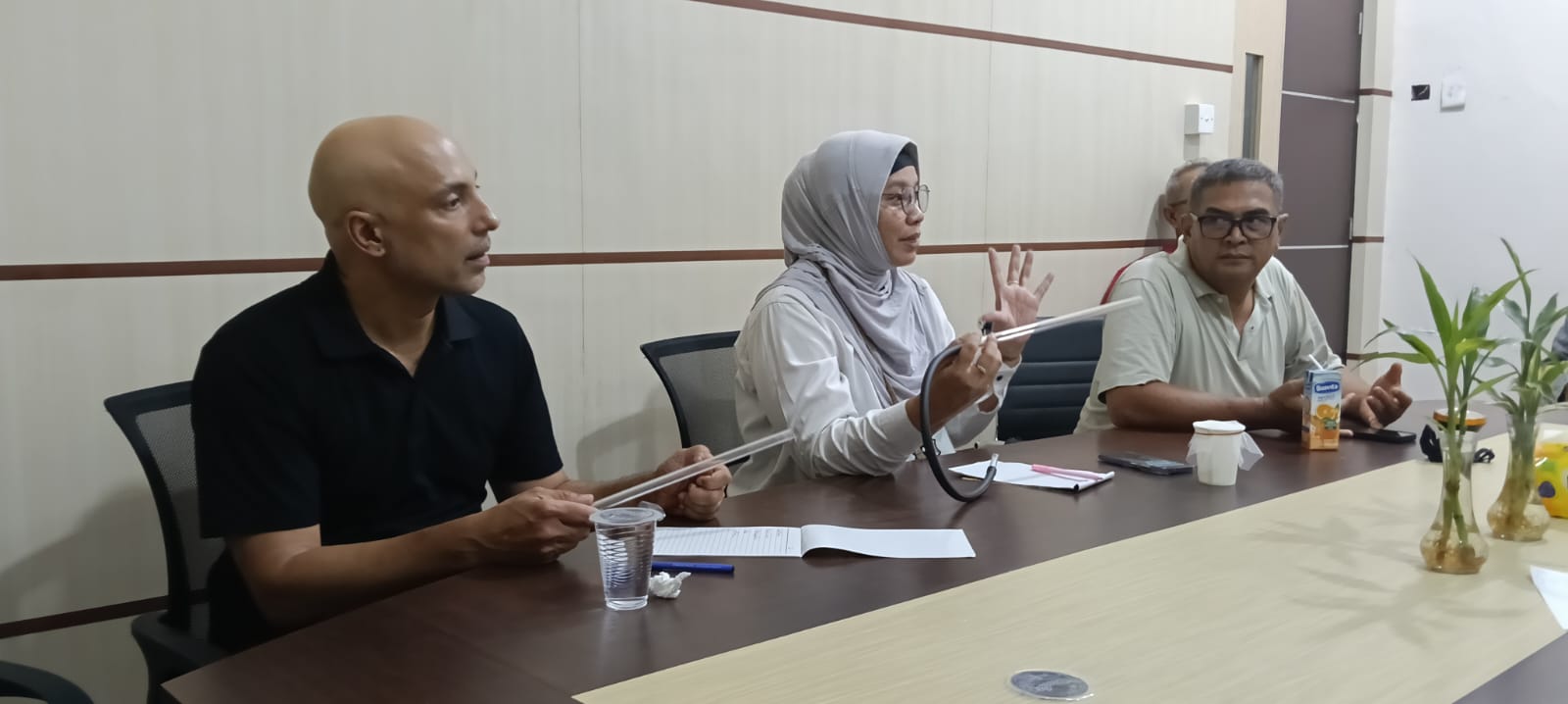
Delegates from OUCRU Indonesia played an active role throughout the workshop. On the first day, Dr. Bimandra Djaafara presented his research on "Bridging surveillance gaps in dengue: a hierarchical model integrating mixed data sources", highlighting innovative modeling approaches for dengue mitigation. On the second day, Dr. Henry Surendra delivered a presentation titled "Impact of Climate and Environmental Changes on Malaria and Dengue in Rapidly Changing Environments", addressing the epidemiological impacts of environmental transformation. Additionally, Rahmat Sagara actively contributed to the collaborative FGD sessions.

The FGD sessions addressed four key themes: comparing VBD modeling challenges in the UK and Indonesia, overcoming computational and coding bottlenecks, fostering long-term international research partnerships, and advancing mathematical methodologies—such as transitioning from ecological niche models to dynamic systems and interspecies vector interaction modeling.
By facilitating cross-disciplinary dialogue, this joint initiative between Indonesian and UK institutions aims to advance climate-sensitive disease modeling and inform evidence-based public health policies.
Tags:
Tags: